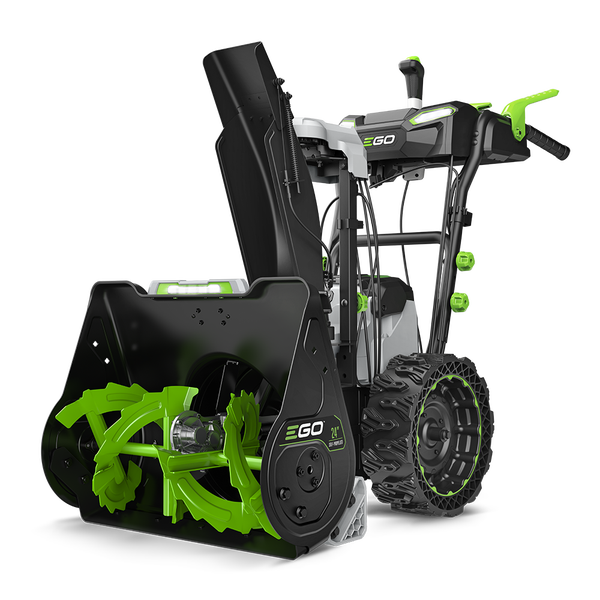
GAS VS BATTERY / AN ENGINEER’S TAKE
Gas vs battery.
Leave the gas can.
Less engine upkeep. Plenty of capability. Why I chose EGO—and where gas still makes sense.
By Amped Acre’s founder · · Owner perspective + published specifications
FOUR YEARS. STILL MOWING.
I want to work on my yard.
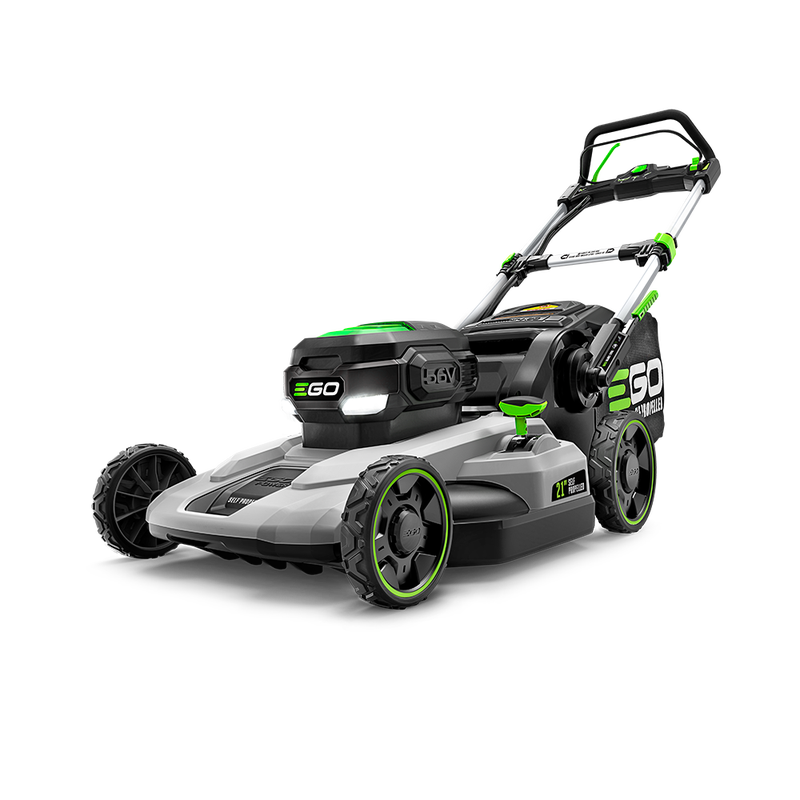
I’m an electrical engineer. I work with batteries and power sources for a living, and I love putting electrons to work at home. My EGO mower and trimmer/blower combo date to 2022. Four years in, they’re still doing their jobs.
My LM2102SP mower usually handles my roughly 8,000 sq ft lawn using about 60–90% of its 7.5Ah battery. That’s my experience, not a controlled runtime test or a promise for your grass. It is why battery equipment has earned its place in my garage.
The everyday wins.
- Skip the engine chores.No gasoline to spill on the driveway. No engine-oil changes or crankcase leaks. No spark plugs, carburetor or stale fuel to deal with.
- Start. Stop. Store.Push-button starting makes short jobs easy. My mower’s folding design takes less garage space. EGO’s mower details.
- No exhaust at the tool.No running engine beside you, and no combustion exhaust while you work. Electricity generation and battery production still have environmental impacts. CARB’s equipment overview.
- Easy to live with.I find my equipment manageable and easy to store. Battery tools can be light and quieter, but compare the complete machine with its batteries installed. Big packs and two-stage snow blowers still have real heft.
Where gas still makes sense.
Battery is my choice for this yard. A long workday without charging access is a different problem. Price the whole setup, including spare packs and a charger—not just the bare tool.
| Consider | Battery | Gas |
|---|---|---|
| Long jobs | Swap charged packs or plan a charging break. | Refuel and continue; useful away from outlets. |
| Upfront cost | Spare packs can make a demanding job expensive. | Can be attractive if you already own a capable machine. |
| Ongoing care | Tool upkeep and eventual battery replacement. | Tool upkeep plus the engine’s service schedule and fuel. |
| Hard conditions | Heavy loads, cold and battery age can reduce runtime. | No charging delay, but starting and engine condition still matter. |
Battery also means committing to a system. Check replacement-pack prices, local service and compatibility before you build a garage around one brand.
WHAT ACTUALLY MATTERS
Torque. Energy. Build.
1. Enough output for the job.
A mower needs torque at the blade under load. A blower needs useful airflow and blowing force. The battery, controller, motor and working parts determine the result together. A bigger voltage number alone doesn’t prove better performance.
2. Enough energy to finish.
Watts describe power; watt-hours describe stored energy. Ah measures charge. Compare published Wh ratings on the same basis, then consider the load: turbo can empty a large pack surprisingly quickly.
3. A machine worth keeping.
Controls, handles, wheels, deck, replacement parts and service matter after the spec sheet stops being interesting. Four years with my mower and combo give me confidence in my choices—not proof that every EGO outlasts every competitor.
Why EGO earns my vote.
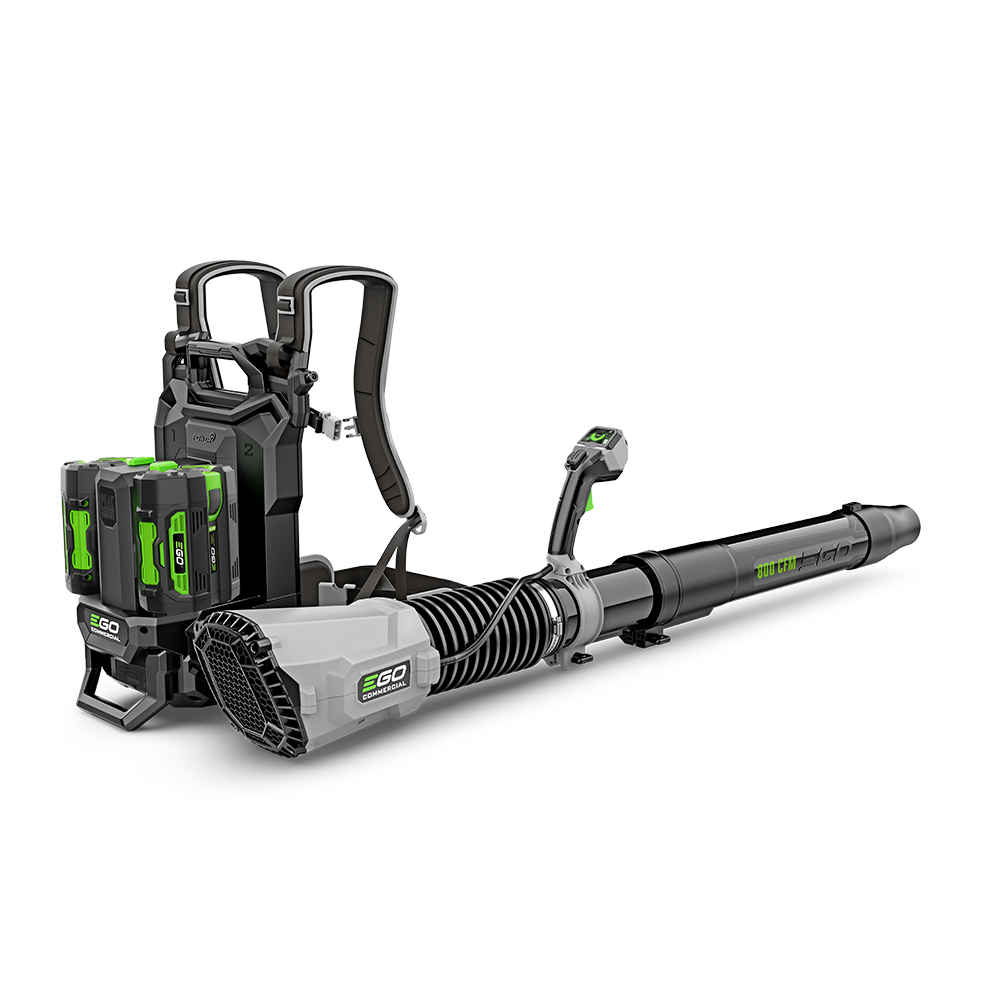
For me, the strength of EGO’s 56V platform is the combination: useful tools, a range of battery sizes and packs I can share across compatible equipment. EGO describes cell monitoring, its ARC layout and heat-managing materials as part of that system. That’s more meaningful than treating “56V” as a trophy. EGO’s battery design.
EGO publishes 280Wh for 5Ah, 420Wh for 7.5Ah, 560Wh for 10Ah and 672Wh for 12Ah. Those are manufacturer-listed energy ratings, not measured energy delivered to the blade. Its published lineup also includes smaller packs. A compatible pack still needs to meet the tool’s recommended configuration and the job’s demands. Battery capacities and weights.
My mower has enough performance for my lawn, its battery usually finishes the cut, and the machine has kept working for four years. Those are the three boxes I care about. I’d choose EGO again for my yard; I’d still size the batteries before buying the next tool.
The battery caught up.
Cordless tools weren’t waiting for someone to invent yard work. They needed a practical balance of energy, weight, output and cost. Research documents substantial improvement in lithium-ion performance and cost over time. Better batteries helped make this kind of equipment practical; motors, controls and complete-tool design matter too. Battery technology research.
For my lawn and routine cleanup, that balance works today. Snow and heavy leaves make battery sizing more important. The question I want answered is simple: will this setup finish my job?